Fractional vs. Whole Aircraft Ownership: Comparing Costs and Benefits

Private aircraft ownership should reflect how an individual or business actually travels. The decision is not simply which aircraft to buy, but how much ownership is needed to support those trips.
When comparing fractional jet ownership with whole aircraft ownership, the purchase price is only the starting point. Annual flight hours, destinations, operating expenses, aircraft availability, and management responsibilities all influence which approach makes the most sense.
For travelers who need dependable private flights without the financial and operational commitment of an entire aircraft, fractional ownership can offer a more efficient balance of access, cost, and convenience.
What Is the Difference Between Fractional and Whole Aircraft Ownership?
Whole aircraft ownership involves purchasing an entire aircraft and assuming responsibility for its operation, either through a dedicated flight department or a management company. Fractional aircraft ownership allows the buyer to purchase an ownership interest in a specific aircraft, with access to a professionally managed fleet under the program’s agreements.
The distinction extends beyond how much of an aircraft someone owns:
| Consideration | Whole Aircraft Ownership | Fractional Aircraft Ownership |
| Purchase commitment | Purchase an entire aircraft | Purchase of a share sized to anticipated flight needs |
| Ongoing expenses | Responsibility for the aircraft’s full operating costs | A combination of management fees, hourly charges, and applicable additional costs, pro-rated to the size of the owner’s share and flight needs |
| Operational management | Managed through the owner’s flight department or aircraft management company, which may require significant owner time and involvement | Managed by the fractional program provider, with less need for oversight from the owner |
| Aircraft access | Use of a dedicated aircraft, with alternative arrangements needed during downtime | Access to a fleet under the program’s availability and scheduling provisions |
How Do the Costs of Fractional and Whole Aircraft Ownership Compare?
Whole aircraft ownership requires a substantial financial commitment beyond the purchase price. Pilot compensation, training, insurance, aircraft storage, maintenance, and administrative support all contribute to the cost of keeping an aircraft ready to fly. Many of those expenses continue regardless of how frequently the aircraft is used.
Fractional ownership distributes the commitment among multiple share owners. In the PlaneSense® fractional program, the cost structure includes three primary components:
- Share purchase: The acquisition of an ownership interest in an aircraft, with annual flight hours corresponding to the share size.
- Monthly management fee: Recurring charges supporting fixed expenses such as crew compensation, training, insurance, aircraft storage, and program administration.
- Hourly operating charges: Charges associated with the occupied flight time used by the individual share owner.
Aircraft financing, often associated with whole aircraft purchases, is also available for fractional shares, helping buyers preserve capital and access the benefits of ownership sooner. KSD Aviation, a subsidiary of KSD Capital, offers financing for purchasers of PlaneSense PC-12 and PC-24 shares, subject to credit approval and final documentation. This gives buyers additional flexibility in balancing the initial investment with ongoing ownership costs. Fractional share purchases may also qualify for bonus depreciation on the eligible business-use portion of the investment, subject to applicable tax requirements. Buyers should consult their tax advisors to determine eligibility.
Who Manages the Aircraft, Pilots, and Maintenance?
Professional aircraft management is available under both ownership models. Whole aircraft owners can hire a management company to oversee operations rather than building a flight department themselves. However, they still fund the operation of an entire aircraft.
In the PlaneSense program, aircraft, pilots, maintenance, owner services, and day-to-day operations are managed through a coordinated, in-house approach. The Integrated Operations Center handles flight and crew scheduling, allowing clients to focus on their trips rather than the arrangements behind them.
Fleet access is another important distinction. A maintenance event affecting one aircraft does not leave a fractional owner dependent on that aircraft’s return to service. The program can assign another aircraft to fulfill the trip. PlaneSense provides guaranteed availability and no blackout dates under the terms of its ownership agreements.
The benefit is not simply having someone manage your airplane. It is having an established operation and a managed fleet supporting your travel schedule.
How Do Annual Flight Hours Affect the Ownership Decision?
How often you fly is an important factor in choosing between fractional and whole aircraft ownership, but it is not the only consideration. The type of aircraft you need, the length of your trips, your scheduling requirements, and total ownership costs also help determine which option makes the most sense.
For an existing aircraft owner, the question may be whether current flying still justifies whole ownership. Consider a business whose executives previously traveled several days each week but now make fewer trips. The need for private aviation may remain, while the need to support an entire aircraft has changed. An aircraft can remain the right fit even when owning all of it no longer is.
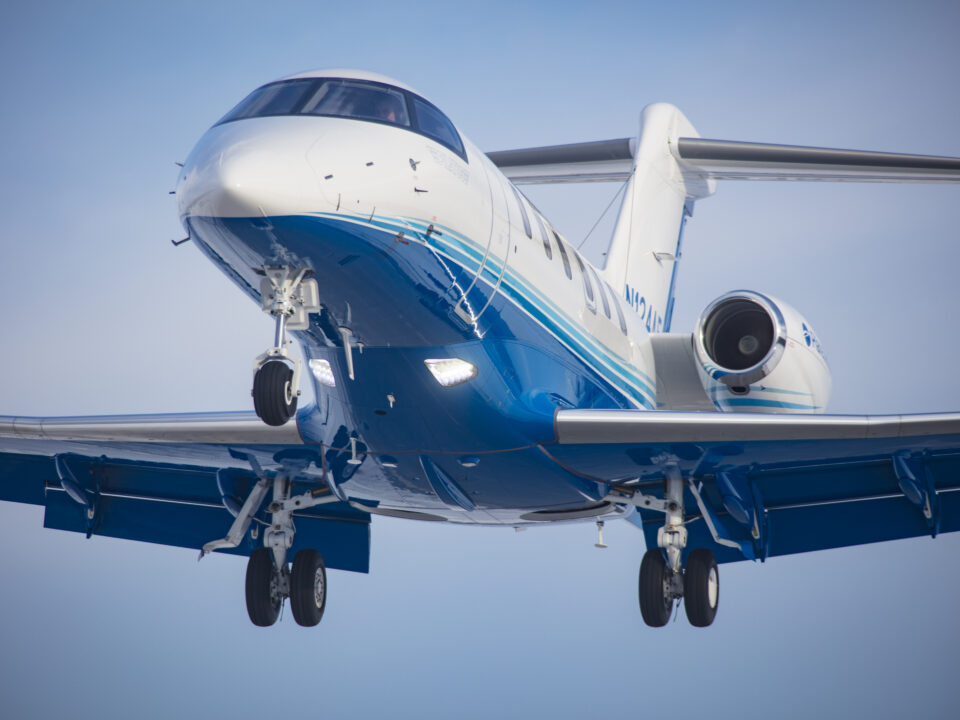
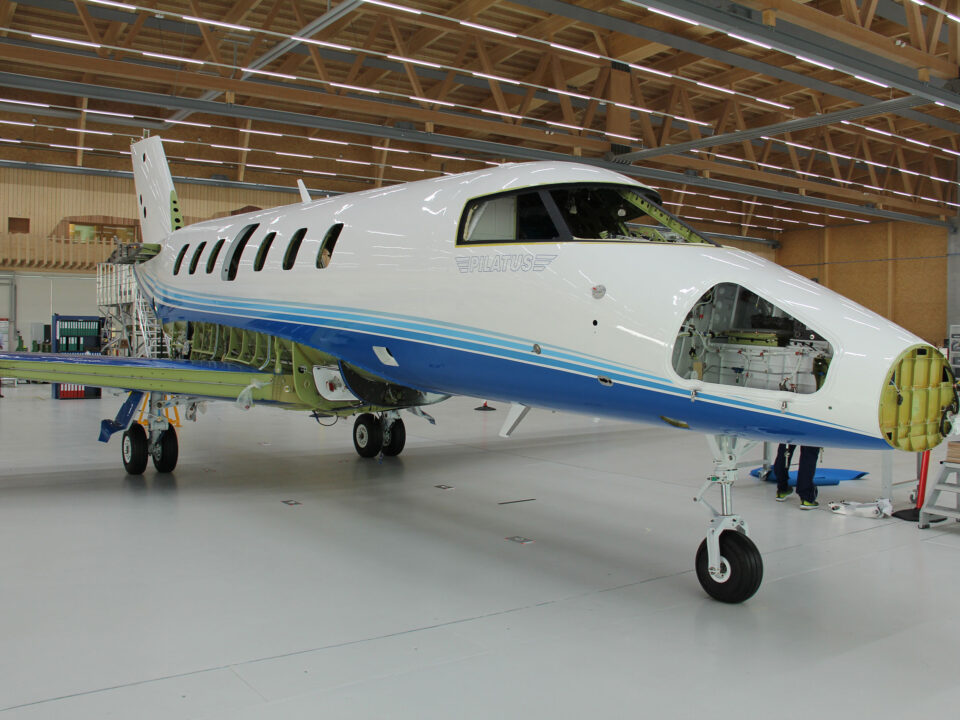
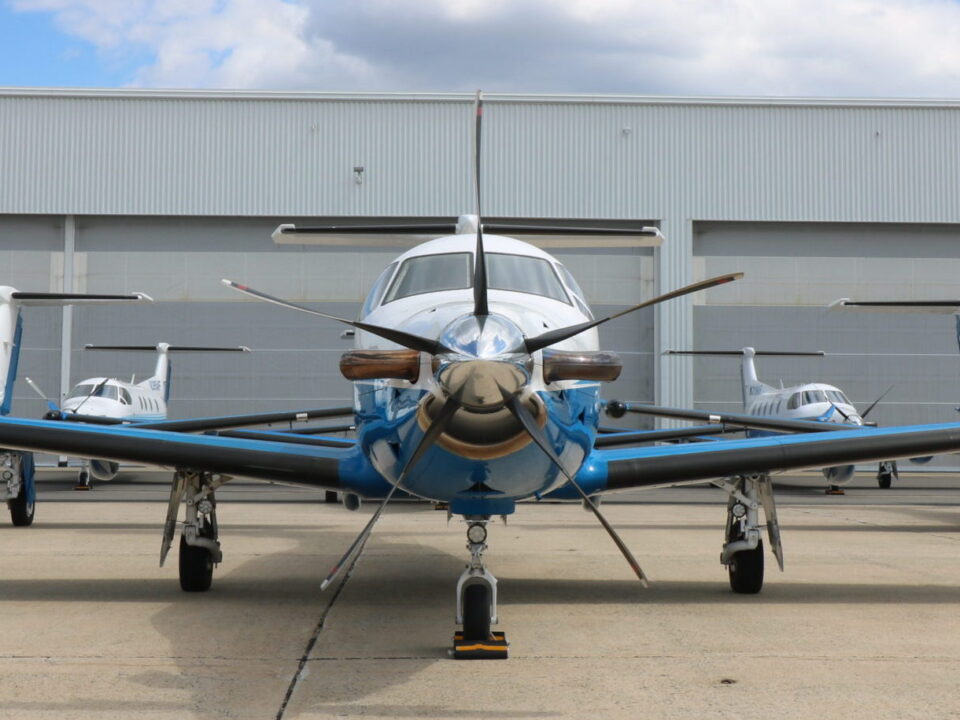
Fractional ownership allows buyers to match their investment more closely to their needs. A one-sixteenth (1/16) share in the PlaneSense fractional program provides 50 flight hours annually, with larger shares available for more extensive travel. Shares are offered in both the Pilatus PC-12 turboprop and the Pilatus PC-24 jet.
That investment can also evolve over time. PlaneSense fractional shares offer ownership terms of five to seven years, with options to add an additional share as flight needs grow or transition into a share in a newer aircraft at the end of the term. Owners can adapt their investment without managing the purchase and sale of an entire aircraft. Through regular fleet renewal, PlaneSense also maintains a young fleet that gives share owners access to advances in safety technology, avionics, and aircraft performance.
Why Do Destinations and Airport Access Matter?
An ownership comparison should consider the complete journey, not just the time spent in the air. Where an aircraft can land may be just as important as how quickly it flies. The Pilatus PC-12 and PC-24 in the PlaneSense fleet have short-runway capabilities that provide access to smaller airports many other business aircraft cannot use. This can bring travelers closer to offices, project sites, vacation homes, and destinations beyond major metropolitan areas.
Landing closer may give business travelers time for an additional meeting or make it possible to visit multiple locations in a day. On personal trips, it may mean a shorter drive after landing and more time at the destination. For those who already own an aircraft, a PlaneSense fractional share can complement their aviation portfolio by providing access to shorter-runway airports that their current aircraft cannot serve. Owners can use their PC-12 or PC-24 share when a trip calls for those capabilities, while continuing to use their existing aircraft for other travel. This expands their options without the cost and responsibility of purchasing and supporting another whole aircraft.
When Does Fractional Aircraft Ownership Make More Sense?
Whole aircraft ownership may be appropriate for travelers whose needs justify a dedicated aircraft and the cost of supporting it. For others, fractional ownership can better align their investment with how they actually travel, either as an alternative to whole ownership or as a complement to an aircraft already in use.
A share in the PlaneSense fractional program may be a good fit for individuals or businesses that:
- Prefer fewer management responsibilities, leaving aircraft maintenance, crew staffing, and day-to-day operations to an established team.
- Need fewer annual flight hours than would justify the expense of owning and supporting an entire aircraft.
- Require supplemental lift when their existing aircraft is unavailable due to maintenance or other flight commitments.
- Need access to shorter runways at airports their current aircraft cannot serve.
- Want a more efficient option for shorter flights, using an aircraft better suited to the trip.
To find the right fit for your business or personal travel, contact the PlaneSense sales team at sales@planesense.com. A review of your annual flight hours, destinations, and passenger needs can help determine whether whole aircraft ownership, a fractional share, or a combination of the two offers the most efficient solution.